

Table of Contents
- Why Durable Gym Clothes for Lifting Matter More Than You Think
- Quick Comparison: Best Durable Gym Clothes for Lifting
- The Best Fabric for Weightlifting: What Holds Up Under Heavy Loads
- Squat-Proof Lifting Shorts and Leggings: Coverage That Doesn't Quit
- Top Picks: Durable Lifting Apparel for Men and Women
- How to Care for Gym Clothes So They Last Longer
- Durability vs. Price: Cost Per Wear and What to Ignore
- Conclusion: Building a Lifting Wardrobe That Lasts
- Frequently Asked Questions
Last Updated: October 7, 2026
Why Durable Gym Clothes for Lifting Matter More Than You Think
Most gym clothes fail at the seams, not the fabric, which should reframe how you shop for the best durable gym clothes for lifting.
A common mistake is buying for looks first and construction second. The pieces that survive years of deadlifts, squats and overhead presses have dense fabric, flatlock or reinforced seams, and a fit that does not stretch out of shape.
Quick Comparison: Best Durable Gym Clothes for Lifting
Here is the short version for anyone who wants the picks before the reasoning.
| Product | Price | Fabric | Best For |
|---|---|---|---|
| Performance Moisture-Wicking T-Shirt (Unisex) | $39.95 | 100% premium polyester, 4 oz/yd² | Sweat-heavy sessions, fade and snag resistance |
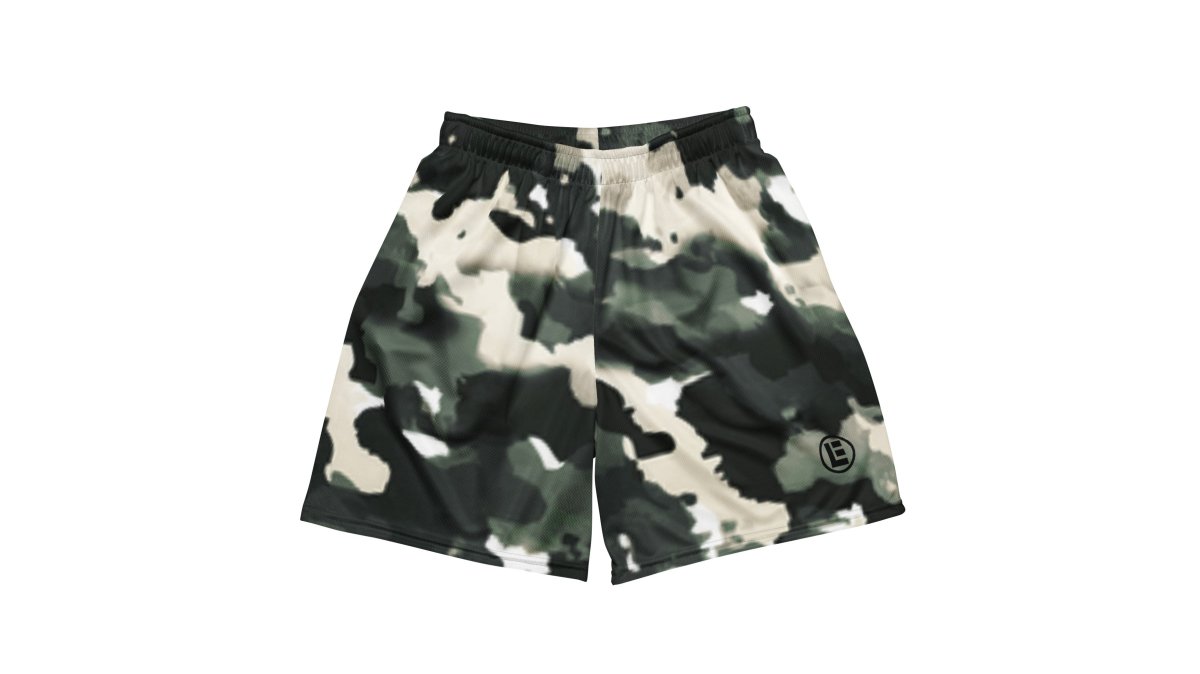
| Performance Moisture-Wicking Mesh Shorts (Unisex) | $44.95 | 100% recycled polyester, two-way stretch | Leg day, freedom of movement |
| Women's Luxe Leggings | $67.95 | 70% recycled nylon, 30% elastane | Squat-proof coverage, high-rise fit |
| Women's Luxe Sports Bra | $47.95 | 70% recycled nylon, 30% elastane | Medium-support training |
| Men's Premium Tank Top | $38.95 | 100% combed ring-spun cotton | Layering, soft-washed comfort |
The Best Fabric for Weightlifting: What Holds Up Under Heavy Loads
There is no single best fabric for weightlifting, because the failure modes differ by lift. A deadlift drags a knurled bar across your shins and thighs hundreds of times. A squat loads the crotch and seat of your leggings or shorts with the full weight of the bar plus your body.


Here is how the common options actually behave under load.
- Polyester (spun or filament). High abrasion resistance, low moisture regain, and strong colorfastness, which is why it dominates training tees and mesh shorts. It does not stretch much on its own, so it is usually blended or knit into a mechanical stretch structure. Look for 4-6 oz/yd² for a tee that breathes without going sheer.
- Nylon-elastane (often 70/30 to 80/20). The default for squat-proof leggings and compression pieces. Nylon is tougher than polyester against repeated flexing, and elastane supplies the recovery that keeps the garment from bagging out at the knees and seat. The trade-off: elastane degrades faster with repeated high-heat washing than polyester does.
- Cotton and ring-spun cotton. Comfortable, holds structure, and resists pilling when the staple length is long (combed or ring-spun). It absorbs sweat instead of moving it, so it is best for warmups, layering, and low-sweat sessions rather than a heavy working set. A 5.5-6.5 oz/yd² ring-spun tank or tee is the sweet spot.
Fabric weight, denier, and stretch recovery: the numbers that predict lifespan
Three specs predict how long a lifting garment lasts.
- Fabric weight (oz/yd²). Heavier knits resist thinning and show-through longer. For leggings, 6 oz/yd² and up is a reasonable floor for squat-proof coverage. For training tees, 4-5 oz/yd² balances breathability with opacity.
- Denier (for nylon). Higher denier means thicker, more abrasion-resistant yarn. Leggings in the 40-60 denier range hold up better against barbell contact than thin fashion knits in the 20s.
- Stretch recovery. This is the spec almost no one publishes, and it determines whether your leggings still fit after 50 washes. Home test: stretch a cuff or waistband to its limit, hold five seconds, release, and measure how close it snaps back. Fabric that returns to within about 90% of its original length keeps its shape; fabric that stays stretched bags at the knees and seat.
Which fabric for which lift
- Squats and leg press: nylon-elastane leggings or shorts with high stretch recovery and a gusseted crotch. Avoid thin cotton or low-stretch blends that go sheer.
- Deadlifts: smooth, dense fabric on the shins and thighs, or dedicated deadlift socks and sleeves. Rough-textured knits and loose hems catch the bar and wear through first.
- Bench press: a cotton or cotton-blend tee with a tight enough knit that it does not bunch under the shoulder blades. Synthetic tees slide on the bench; cotton grips.
Moisture-wicking and breathability: why polyester blends win
Polyester blends win because they move sweat away from your skin and dry fast, so you stay comfortable between sets. The American Council on Exercise guidance on workout clothing notes that moisture-wicking fabrics help regulate body temperature better than cotton during intense training. Breathability matters too: mesh panels and lighter fabric weights let heat escape, which keeps your performance steady on long sessions.
Squat-Proof Lifting Shorts and Leggings: Coverage That Doesn't Quit
Squat-proof lifting shorts and leggings come down to fabric density and stretch recovery. A high-rise fit with a nylon-elastane blend holds its opacity when you drop into the hole, while thin, low-stretch fabrics go see-through under tension. Look for a fabric weight around 6 oz/yd² or higher and a waistband that stays put.
Opacity degrades with wear: cheap leggings thin out after a few dozen washes, while dense, high-elasticity fabric keeps its coverage far longer.
Top Picks: Durable Lifting Apparel for Men and Women
Our top picks for durable lifting apparel are the pieces we would hand a lifter who trains four or five days a week and wants gear that survives it.
Performance Moisture-Wicking T-Shirt (Unisex)
This is the workhorse training tee: 100% premium polyester at 4 oz/yd² with a soft moisture-wicking finish that handles heavy sweat sessions. The fabric keeps its color and surface through repeated washing, which is where most cotton tees give out. The relaxed fit leaves room for range of motion, and UPF44+ protection covers outdoor training. At $39.95, it is the piece we recommend buying in multiples.
Performance Moisture-Wicking Mesh Shorts (Unisex)
For leg day, the mesh shorts are the pick. The 100% recycled polyester fabric has two-way stretch, so squats and lunges move without restriction. The elastic waistband stays put, and the moisture-wicking material dries fast between sets. They are OEKO-TEX 100 certified, and the recycled content carries GRS or RCS certification depending on where they are made. At $44.95, they handle gym, errands and outdoor training in one piece.
Women's Luxe Leggings and Sports Bra
The Women's Luxe Leggings are our answer to the squat-proof question. The 70% recycled nylon and 30% elastane blend at 6 oz/yd² gives a high-rise, full-length fit with a cross-front waistband and ultra-soft stretch, elasticity that preserves coverage and shape retention over time. Pair them with the Women's Luxe Sports Bra ($47.95), a medium-support piece with a second-skin fit and removable pads.
Performance Moisture-wicking T-shirt (Unisex) →
Men's Premium Tank Top and Oversized Washed T-Shirt
The Men's Premium Tank Top ($38.95) uses 100% combed ring-spun cotton at 5.5 oz/yd², a soft-washed, tight-knit mid/heavyweight fabric with a relaxed fit and sleeveless drop arm, a layering piece and a standalone training top. For a streetwear-leaning option, the Oversized Washed Premium T-Shirt ($43.95) is 100% ring-spun cotton at 6.5 oz/yd² with a vintage-washed look and an oversized fit.
How to Care for Gym Clothes So They Last Longer
Care is where most lifting apparel dies, and it dies predictably. The same garment washed hot and dried on high can lose a meaningful share of its elasticity within a few dozen cycles, while the identical piece washed cold and hung dry can hold its fit for years. If you are paying $40-$70 per piece, the care routine is the difference between 38 cents per wear and a dollar per wear.
The wash routine that preserves stretch and color
- Cold water, 90°F or below. Heat is the primary enemy of elastane, dyes, and cotton structure. Cold water also reduces the mechanical agitation that abrades fibers.
- Turn garments inside out. Most friction damage happens on the outer face against the drum and other garments. Inverting the piece puts the wear on the inside, where it does not show.
- Wash synthetics and cotton separately. Cotton lint clings to synthetic knits and makes them look pilled even when the fabric is intact. Synthetics also dry faster, so mixing them means one load is under- or over-dried.
Drying and storage
- Tumble dry low or hang dry. If you must use a dryer, low heat and a shorter cycle. Hang drying adds years to leggings and compression pieces.
- Do not leave damp gear in a gym bag. Prolonged moisture and warmth encourage odor-causing bacteria to colonize the fabric, and the smell becomes difficult to remove once it sets in.
- Fold, do not hang, heavy knits. Hanging a 6.5 oz/yd² cotton tee or a heavy legging stretches the shoulders and waistband over time.
What to expect over a garment's life
A common pattern for well-constructed lifting apparel washed cold and dried low:
- First 20-30 washes: minimal visible change. Some light surface fuzz on friction points is normal.
- 30-60 washes: first signs of pilling at high-friction zones (inner thighs, under the arms, where a barbell contacts the shin). Elasticity in waistbands and cuffs begins a slow decline.
- 60-100 washes: noticeable softening, slight loss of opacity in thin areas, and the first seam stress at gussets and crotch seams. This is the window where cheap construction fails and reinforced construction does not.
When to repair versus replace
A blown seam at a gusset or waistband is often repairable with a reinforced stitch, and a small pill can be shaved with a fabric comb. A garment that has lost its stretch recovery, gone sheer in the seat, or developed a hole at a friction point is past saving. Track your replacements for a few months and you will see your true cost per wear, the number that should drive your next purchase, not the sticker price.
A Federal Trade Commission guide to textile labeling can help you read fiber content and care claims accurately before you buy, so you know what you are actually washing.
Durability vs. Price: Cost Per Wear and What to Ignore
Cost per wear is the only pricing metric that matters for lifting apparel. A $40 tee worn twice a week for two years costs about 38 cents per wear.
What to ignore: flashy marketing, seasonal color drops, and "compression" claims with no fabric spec behind them. A Federal Trade Commission guide to textile labeling can help you read fiber content claims accurately before you buy.
Conclusion: Building a Lifting Wardrobe That Lasts
The challenge with lifting apparel is that most of it is built for photos, not for the platform. EVENLIFT makes that simpler: our Performance Moisture-Wicking T-Shirt and Mesh Shorts handle heavy training, our Women's Luxe Leggings and Sports Bra deliver squat-proof coverage with shape retention, and our Men's Premium Tank and Oversized Washed Tee carry you from the gym to the office.

Frequently Asked Questions
What fabric is best for heavy lifting clothes?
Polyester and nylon blends with elastane offer the best mix of durability and stretch for heavy lifting. These fabrics resist pilling, hold their shape, and manage moisture well. Look for moisture-wicking materials with reinforced stitching and seamless construction in high-stress areas. The EVENLIFT Performance Moisture-Wicking T-Shirt uses 100% premium polyester, which is fade and snag resistant, making it a solid choice for repeated heavy sessions.
How do I choose durable gym clothes that won't rip?
Check the fabric weight, stitching, and construction quality. Heavier fabrics (around 5-6 oz/yd²) tend to last longer than thin, lightweight options. Look for reinforced stitching at seams and stress points, plus two-way stretch fabric that moves with you instead of tearing. The EVENLIFT Performance Mesh Shorts use 100% recycled polyester with two-way stretch and OEKO-TEX 100 certification, which signals tested durability.
How often should you replace your lifting apparel?
With proper care, quality lifting apparel can last two to three years or more. Signs it's time to replace include stretched-out waistbands, pilling that won't wash out, fading, and thinning fabric in high-wear areas like knees and shoulders. Washing in cold water and avoiding high heat in the dryer extends lifespan significantly. Investing in durable gym clothes upfront usually means fewer replacements over time.
Are compression clothes better for lifting?
Compression clothing can support blood flow and reduce muscle fatigue during training, but it's not required for lifting. What matters more is that your gym clothes fit well, allow full range of motion, and hold up to repeated use. Many lifters prefer fitted or regular-fit options over tight compression. The key is choosing apparel that stays in place during squats, deadlifts, and overhead presses without restricting movement.
What makes squat-proof lifting shorts actually squat-proof?
Squat-proof shorts use thick, opaque fabric that doesn't turn see-through when stretched. Look for high-rise fits with wide waistbands and four-way or two-way stretch materials. Darker colors and seamless construction also help with coverage. The EVENLIFT Women's Luxe Leggings use 70% recycled nylon and 30% elastane with a high-rise cross-front waistband, providing the stretch and opacity needed for confident squatting.