

Last Updated: October 23, 2026
Quick Summary
Technical fabric is engineered to move sweat away from skin, dry fast, and hold its shape through repeated stress, while cotton absorbs moisture and holds it against your skin. That difference drives comfort, temperature regulation, chafing, and how heavy a shirt feels during sustained effort. Cotton suits lounging, but technical fabric wins for anything where you'll actually sweat.
- Wicking fabric uses capillary action to spread moisture across a wider area for faster evaporation.
- Fabric softeners and dryer sheets permanently clog the fiber channels that move sweat.
- Our Performance Moisture-wicking Mesh Shorts use 4.42 oz/yd² recycled polyester with UPF50+ protection.
- Women's Luxe Leggings use 70% recycled nylon and 30% elastane at 6 oz/yd² for full recovery.
- Cold wash, no softener, and hang dry preserve wicking performance and elasticity longest.
Table of Contents
- Why Technical Fabric Beats Cotton in the Gym
- Moisture-Wicking Fabric Benefits: Sweat Management That Works
- Breathability, Airflow, and Temperature Regulation
- Technical Fabric vs Cotton for Sports: The Trade-Offs
- Stretch, Elasticity, and Freedom of Movement
- Durability Under Repetitive Movement and Frequent Washing
- The Best Fabric for Workout Clothes: A Sport-by-Sport Breakdown
- How to Wash Performance Fabrics Without Ruining Them
- Frequently Asked Questions
Why Technical Fabric Beats Cotton in the Gym
Technical fabric is engineered textile built for a specific performance job: moving sweat away from skin, drying fast, and holding its shape through repeated stress.
The gap is mechanical, not marketing.
Most guides treat "technical" as a synonym for "synthetic" and stop. In practice, the fiber is only one variable: knit structure, fabric weight, and finish matter as much as whether the yarn is polyester or nylon.
Moisture-Wicking Fabric Benefits: Sweat Management That Works
The core moisture-wicking fabric benefit is simple: sweat leaves your skin faster than in cotton, so you stay drier and cooler during sustained effort.
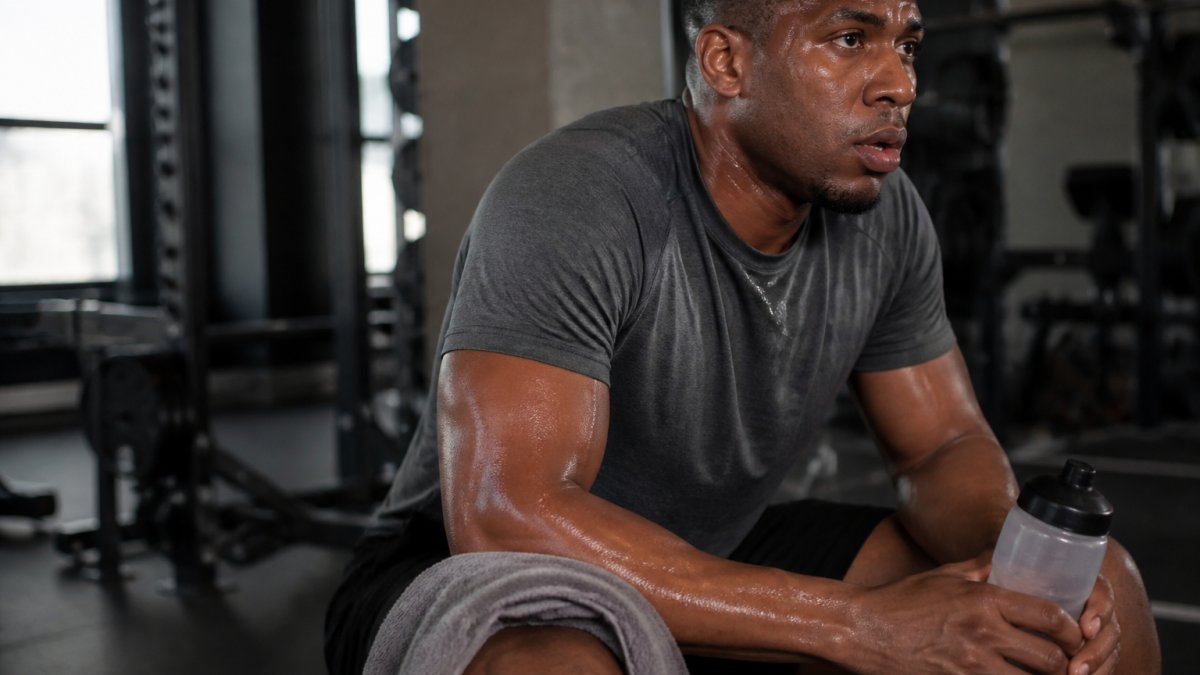
Why it matters beyond comfort: wet fabric against skin softens the outer layer and increases friction, which is where chafing starts.
What most guides miss is that wicking performance degrades.
Breathability, Airflow, and Temperature Regulation
Breathability is how easily air and vapor pass through a fabric, and it separates a shirt you can train in from one you can't.
Three construction choices drive airflow:
- Knit openness: Mesh panels and open knits move far more air than tight jersey knits.
- Fabric weight: Lighter fabric (measured in ounces per square yard) vents better but offers less structure.
- Fit: A relaxed cut lets air circulate; a compression fit relies on the fabric itself to manage moisture.
Temperature regulation is where blends earn their keep. Our Performance Moisture-wicking Mesh Shorts use a two-way stretch recycled polyester at 4.42 oz/yd² with UPF50+ protection, the balance we'd point most lifters and runners toward.

The American College of Sports Medicine publishes position stands on exercise in heat that emphasize clothing choice as a controllable variable in thermal strain, one of the few things you can change on race day.
Technical Fabric vs Cotton for Sports: The Trade-Offs
Technical fabric vs cotton for sports comes down to moisture handling and shape retention, and cotton loses both under load.
| Factor | Technical Fabric | Cotton |
|---|---|---|
| Sweat handling | Wicks and spreads moisture | Absorbs and holds it |
| Drying time | Fast | Slow |
| Shape retention | High with elastane blends | Stretches out when wet |
| Odor control | Better with treated fibers | Holds odor when damp |
| Cost | Higher | Lower |
| Best use | Training, heat, high sweat | Rest days, casual wear |
Cotton wins on feel and price for low-intensity days, and for anyone with sensitive skin who reacts to synthetic fibers. The honest answer: cotton for lounging, technical fabric for anything where you'll actually sweat.
OEKO-TEX Standard 100 testing criteria is a useful reference point here.
Stretch, Elasticity, and Freedom of Movement
Stretch is the benefit athletes feel immediately, and elasticity is what keeps a garment from bagging out after a month.
Elastane, also sold under the Lycra name, is the fiber that delivers both. Our Women's Luxe Leggings use 70% recycled nylon and 30% elastane at a 6 oz/yd² weight, which is a high elastane load for activewear and explains the second-skin fit and full recovery after stretching.
Where stretch goes wrong: a garment with high stretch and poor recovery becomes loose at the knees and seat within weeks.
Performance Moisture-wicking T-shirt (Unisex) →
A common mistake is sizing down for more compression from a stretchy piece. You get restriction at the joints and stress on the seams, exactly where failures start.
Durability Under Repetitive Movement and Frequent Washing
Durability in performance fabrics is measured by abrasion resistance and wash durability, and both are where cheap activewear fails first. Repetitive movement stresses the same seams thousands of times; frequent washing stresses fibers, elastics, and applied finishes.
How durability is actually measured
- Abrasion resistance: Labs rub fabric against a standard abrasive surface under controlled pressure and count cycles until it shows wear or a hole. Higher counts mean better resistance to rubbing, which matters most in cycling shorts, pack straps, and high-friction zones.
- Wash durability: Garments are washed repeatedly under standardized conditions, then checked for shrinkage, color change, seam strength, and elastic recovery. Treat a stated wash count as a relative signal, not an absolute guarantee.
- Stretch recovery: Fabric is extended and released repeatedly and residual growth is measured. Poor recovery shows up as bagging at the knees and seat long before a visible tear.
What actually holds up
- High-strength synthetic fibers resist abrasion better than loose natural fibers.
- Flatlock and reinforced seams reduce friction points and blowouts.
- Higher fabric weights generally outlast very light knits in high-wear zones.
Our Performance Moisture-wicking T-shirt is built from 100% premium polyester at 4 oz/yd² with fade and snag resistance, which is the spec that matters if you're rotating the same three shirts through a heavy training week.

The trade-offs nobody mentions
Durability is not free, and the trade-offs are where most buying decisions go wrong:
- Odor retention: Polyester is durable and wicks well but can hold odor because oils cling to synthetic fibers. Treated fibers and residue-free detergent help, but odor control is a real weakness versus merino wool in low-intensity use.
- Pilling: Some blends pill before they wear through. Pilling is cosmetic but affects perceived quality and can trap sweat and odor.
- Static: Synthetics build static in dry conditions, which is uncomfortable and attracts lint.
The Best Fabric for Workout Clothes: A Sport-by-Sport Breakdown
The best fabric for workout clothes depends on sweat rate, movement pattern, and environment. There is no universal winner, and anyone selling you one is selling you something. What most guides skip is how to compare fabrics, so before the sport-by-sport table, here are the measurable criteria that actually separate one fabric from another.
How to compare fabrics objectively
Six performance properties drive most of the decision, and each can be evaluated with a practical test rather than marketing language:
- Moisture transport: How fast liquid spreads across the surface versus sitting in a puddle. A simple at-home check is to place a drop of water on the fabric and time how long it takes to spread and disappear. Faster spread and faster dry time generally mean better wicking.
- Drying time: How quickly a damp garment returns to dry weight. Light, open knits dry faster than dense, heavy ones; this matters most in humid conditions and for travel.
- Air permeability: How easily air passes through the fabric. Hold the fabric up to a light source and look for open structure; mesh panels and open knits vent far more than tight jersey knits.
These criteria are the same ones testing labs use in principle, moisture management, drying rate, air permeability, stretch recovery, abrasion, and thermal behavior, even though the exact methods and reported numbers vary by lab and standard. The practical takeaway is to ask for the property that matches your sport rather than a single "best fabric" claim.
Sport-by-sport direction
| Sport | Priority | Fabric direction | What to check on the label |
|---|---|---|---|
| Strength training | Stretch and recovery | Elastane blends, mid-weight knits | Elastane content and fabric weight; avoid sizing down for compression |
| Running | Lightweight and wicking | Light polyester, mesh panels | Open knit or mesh zones; fast dry time |
| Hot yoga | Breathability and stretch | High-elastane, open knits | Airflow through the knit; recovery after stretch |
| Cycling | Abrasion resistance | Dense knits, flat seams | Higher fabric weight in the seat; flatlock seams |
| Team sports | Durability | Higher-weight synthetics | Abrasion resistance and reinforced seams |
| Hiking | UV protection and drying | UPF-rated wicking fabric | UPF rating and quick-dry construction |
Two things cut across every sport. First, humidity changes the answer: in high humidity, breathability and fast drying matter more than insulation, because sweat cannot evaporate as readily and a heavy fabric stays wet longer. Second, intensity matters more than duration. A hard 20-minute session generates more sweat than an easy hour, so match the fabric to how hard you will actually work, not how long you plan to be out.
Climate and intensity adjustments
- Hot and humid: Prioritize open knits, mesh panels, and light weights. Accept that pure polyester can feel clammy when the air is already saturated; a blend with some elastane can improve fit without killing airflow.
- Hot and dry: Wicking and fast drying still matter, but breathability is less critical than in humidity because evaporation is faster. Light colors and UPF-rated fabrics help with sun exposure.
- Cold: Layering matters more than a single fiber. A wicking base layer moves sweat away from skin, an insulating mid layer holds warmth, and a shell blocks wind. Technical fabrics underperform in cold when a wet base layer sits against skin under a non-breathing shell.
For lifters who want one piece that works in the gym and reads clean at a desk afterward, the Women's Luxe Sports Bra follows the same 70/30 recycled nylon and elastane construction as the leggings, with a smooth finish and medium support.

How to Wash Performance Fabrics Without Ruining Them
How to wash performance fabrics comes down to protecting the fiber channels and the elastane.
- Turn garments inside out to reduce surface abrasion
- Use cold water and a mild, residue-free detergent
- Skip fabric softener and dryer sheets entirely
Heat is the quiet killer.
FTC guidance on textile labeling and care claims is worth knowing if you've ever wondered what a care label legally obligates a manufacturer to disclose.
The hard part isn't understanding technical fabric benefits. Our moisture-wicking tees, mesh shorts, and Luxe line are selected for durability and finish, not just how they photograph.
Frequently Asked Questions
What are technical fabrics in athletic clothing?
Technical fabrics are textiles engineered for a specific performance job rather than everyday wear. In athletic apparel that usually means synthetic fibers such as polyester, nylon, and elastane (often sold under the Lycra name), woven or knit to move sweat away from skin, let air through, and stretch with the body. The fiber choice and the construction both matter: a polyester tee and a polyester mesh short behave differently because of how the fabric is built. Look at the label for fiber content, fabric weight, and any stated stretch or UV rating before you buy.
Are technical fabrics better than cotton for working out?
For most training, yes. Cotton absorbs sweat and holds it against your skin, which can leave you damp, heavy, and chilled once you stop moving. Technical fabric vs cotton for sports usually comes down to moisture transport: synthetics wick and dry faster, which keeps you drier through a session and after it. Cotton still has a place in low-sweat activity and casual wear, and some athletes prefer it for recovery days. If you sweat heavily or train in heat, a moisture-wicking technical fabric is the more practical choice.
How should you wash performance athletic clothing?
Turn pieces inside out, wash cold on a gentle cycle, and skip fabric softener, which coats fibers and reduces wicking. Use a small amount of mild detergent and avoid bleach. Air dry when you can; if you tumble dry, use low heat. Wash technical fabric separately from towels and anything with zippers or velcro that can snag. Following these steps for how to wash performance fabrics keeps elasticity, shape recovery, and moisture transport working far longer than hot washes and high-heat drying, which break down elastane over time.
What features should you look for in durable workout clothes?
Check fiber content first: polyester and nylon blends with a small share of elastane hold shape and resist abrasion better than high-cotton blends. Look for flatlock or bonded seams that sit smooth against skin, reinforced stitching at stress points, and a fabric weight suited to your activity. Stretch and recovery matter too, since fabric that sags after one wash will not stay put during training. A moisture-wicking tee like EVENLIFT's Performance Moisture-wicking T-shirt ($39.95, 100% polyester, 4 oz/yd², UPF44+) shows the specs to compare against.
