

Last Updated: November 7, 2026
Quick Summary
Recycled polyester can be as durable as virgin polyester, because durability depends more on fabric weight, knit density and seam construction than on fiber origin. Its wear performance under training depends on how the garment is built and how it is washed.
- Recycled and virgin polyester are chemically similar, so construction matters more than fiber origin.
- Compare fabric weight, knit density and seam type before weighing the recycled claim.
- Weight training mainly abrades fabric, so a smooth, tightly knit face resists wear better.
- Ask for standardized test results such as Martindale abrasion and pilling resistance.
- Wash in cold water on a gentle cycle, skip fabric softener and air dry to extend lifespan.
Table of Contents
- What Recycled Polyester Is and How It Is Made
- Recycled Polyester vs. Virgin Polyester Durability
- Durability Under Real Training Conditions
- The Real Disadvantages of Recycled Polyester
- How to Wash Recycled Polyester Activewear
- How Long EVENLIFT Training Pieces Should Last and What to Buy Next
- Frequently Asked Questions
What Recycled Polyester Is and How It Is Made
Recycled polyester is polyester fiber made from existing plastic rather than new petroleum feedstock. Most of it starts as post-consumer plastic bottles that are cleaned, chipped, melted and extruded into fiber. Like conventional polyester, it is a synthetic fabric, so the performance questions that matter for training gear are about structure and construction, not just the recycled label.
EPA guidance on recycling plastics and materials recovery
At EVENLIFT, we use recycled polyester in the Performance Moisture-wicking Mesh Shorts (Unisex), which is 100% recycled polyester with two-way stretch and moisture-wicking properties. The recycled content is certified by the Global Recycled Standard for EU-manufactured items and by the Recycled Claim Standard for items made in the US, so buyers can check how the claim is verified.
Recycled Polyester vs. Virgin Polyester Durability
Recycled and virgin polyester are chemically similar, so the durability difference depends mostly on how each yarn is processed and how the garment is built. A fabric's weight, knit density and finishing matter at least as much as whether the fiber started as bottles or as virgin resin. We recommend comparing specific fabric specs rather than assuming either option is stronger by default.
Our mesh shorts list a fabric weight of 4.42 oz./yd² for the US version, and our performance t-shirt uses 4 oz./yd² premium polyester.
Durability Under Real Training Conditions
"Training" is not one wear pattern. A garment that survives a year of steady-state running can fail in months under kettlebells, and a piece that holds up to barbell knurling may pill badly on a treadmill belt. Our How to Wash High Performance Activewear guide covers how to keep recycled polyester gear lasting. Durability for recycled polyester is best judged against the specific stresses your training imposes, not against a single pass/fail label.
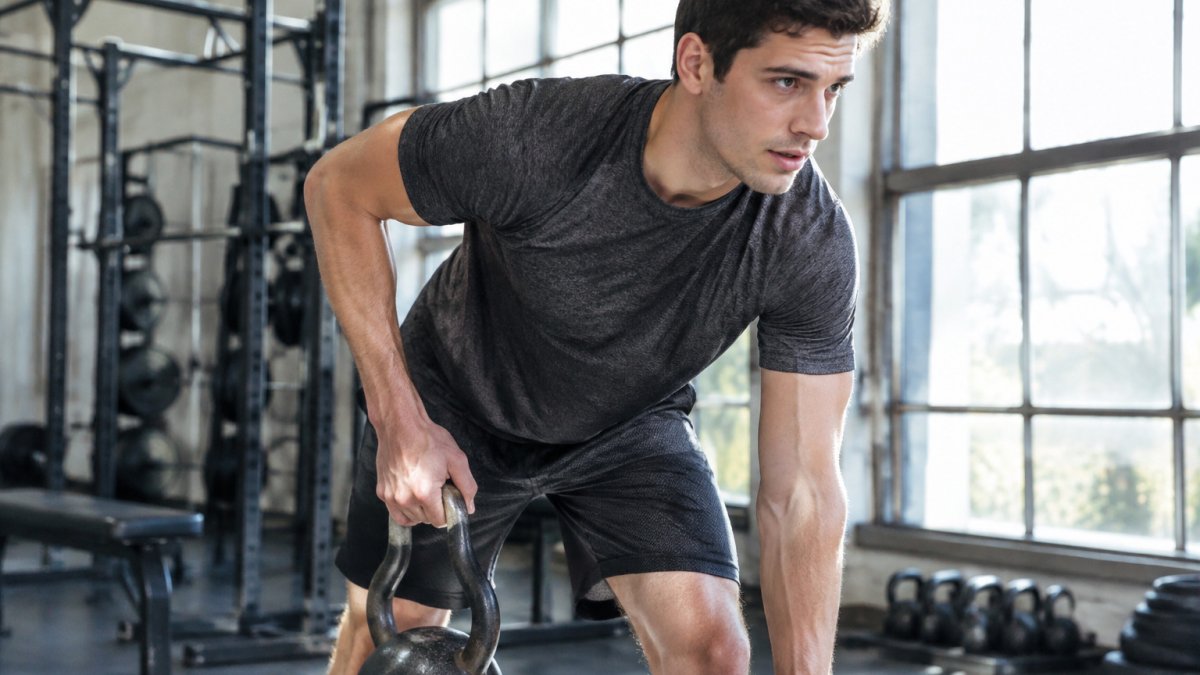
How Different Training Styles Stress Fabric
HIIT and circuit training. The dominant stress is repeated high-amplitude movement combined with heavy sweat output. Fabric at the shoulders, armpits and inner thighs flexes thousands of times per session, and seams take the load.
Weight training. Abrasion is the main enemy. Barbell knurling, rack uprights, benches and dumbbells rub against the torso and thighs.
Running and cardio machines. Here the wear is more gradual: sustained stretch at the knees and hips, friction from arm swing, and constant laundering.
Repeated gym use. Frequency compounds everything. Three sessions a week means roughly 150 wash-and-wear cycles a year, and most of the mechanical damage happens in the machine, not on the floor.
The Tests That Actually Measure Durability
Rather than trusting a "durable" claim, ask which standardized methods back it. The common ones in the apparel industry are:
- Martindale abrasion, rubs fabric against an abrasive surface under controlled pressure and reports the number of cycles before visible wear or hole formation. Higher cycle counts mean better abrasion resistance.
- Pilling resistance, typically assessed on a scale after controlled rubbing; a low pill rating means the surface will fuzz and ball up quickly.
- Tensile and tear strength, measures how much force a fabric or seam withstands before breaking, which matters at high-stress seams.
- Colorfastness to washing, perspiration and light, predicts fading and dye transfer, a common reason training gear gets retired before it wears out.
- Dimensional stability after repeated home laundering, measures shrinkage and distortion across multiple wash cycles.
A fabric spec sheet that reports these results is far more useful than a marketing claim. If a brand does not publish them, ask; a supplier that has done the testing can usually share it.
Abrasion, Sweat and Friction in Practice
Polyester does not absorb moisture the way cotton does, so sweat wicks along the fiber surface and evaporates. That is good for comfort, but it means salt and body oils concentrate in the fabric and can stiffen it over time if not washed out. Friction points, inner thighs, underarms, waistband, are where abrasion and salt buildup combine, and they are the first places to inspect for thinning.
Stretch Recovery and Shape Retention
Stretch recovery is a separate durability axis from abrasion. Two-way stretch supports movement in one direction, while four-way stretch moves in both and generally recovers better under multi-directional loading like squats and lunges. Elastane content and knit structure determine how well a garment snaps back; a high elastane percentage in a loosely knit fabric can still bag out, while a denser knit with moderate elastane often holds shape longer. Check the fiber breakdown and the knit description together, not the elastane number alone.
Construction Matters as Much as Fiber
Recycled content tells you where the polymer came from; it does not tell you how the garment will wear. Yarn type (filament versus spun), knit structure (interlock, jersey, mesh), fabric weight, and seam type all drive durability. A denser, heavier knit with reinforced seams will outlast a lightweight, open knit regardless of whether the fiber is recycled or virgin. When comparing pieces, put fabric weight, knit description and seam construction side by side before weighing the recycled claim.
The article breaks down how each training style stresses fabric, so the main wear factors are easy to compare at a glance.
| Training style | Main stress on fabric | What to look for |
|---|---|---|
| HIIT and circuit training | Repeated high-amplitude movement and heavy sweat | Flatlock or overlocked seams, dense knit |
| Weight training | Abrasion from knurling, racks, benches and dumbbells | Smooth, tightly knit face |
| Running and cardio machines | Sustained stretch and constant laundering | Shape retention in the elastane |
| Repeated gym use | Roughly 150 wash-and-wear cycles a year at three sessions a week | Gentle washing and wearing between washes |
The Real Disadvantages of Recycled Polyester
The honest case against recycled polyester for training gear is not that it is weak, it is that the trade-offs are real, specific, and often glossed over. Here is what actually matters.
The Shedding-versus-Longevity Trade-off
This is the tension most articles skip. A durable synthetic garment is, in one sense, a shedding success: it stays intact and keeps being worn instead of being replaced. But research on microfiber pollution has found that recycled polyester can shed more fibers than virgin polyester under some conditions, and that shedding is highest in the first few washes and during agitation-heavy cycles. So a garment that lasts longer may still release more fibers per wash than a shorter-lived alternative, and the total environmental picture depends on how many washes it survives.
The practical reconciliation is to buy for longevity and wash for low shedding. Long life and low shedding are not automatically aligned, but they can be managed together.
Quality Varies More Than the Label Suggests
Recycled polyester is a fiber origin, not a quality grade. Feedstock quality, sorting, and the spinning process vary between suppliers, and some recycled yarns are noticeably less consistent than virgin resin. That can show up as uneven dye uptake, variable hand feel, or weaker yarn in low-cost production. Certification helps here: recognized recycled-content standards verify recycled content, but they do not guarantee fabric performance. Treat certification as a content check, not a durability guarantee.
Comfort and Hand Feel Differences
Some wearers find recycled polyester feels slightly different from virgin, sometimes a touch crisper or less uniform, though this depends far more on finishing and knit than on fiber origin. For training, the bigger comfort variables are moisture management and seam placement, not the recycled label.
The Durability Myth
Recycled content does not make a garment durable, and virgin content does not make it weak. A lightweight, loosely knit piece will wear out faster than a denser one regardless of fiber origin. The failure mode to watch for is a brand using "recycled" as a proxy for quality while publishing no fabric weight, knit description or test data. Ask for the specs.
Cost and End-of-Life Realities
Recycled polyester often carries a price premium, and the cost per wear depends heavily on lifespan. A $45 short worn twice a week for two years costs far less per session than a $25 short that pills out in six months. At end of life, most municipal recycling programs do not accept textiles, so take-back programs and textile-specific recyclers are the realistic routes, check local guidance rather than assuming curbside pickup.
EPA guidance on recycling plastics and materials recovery
What This Means for Buyers
The disadvantages are manageable, not disqualifying. Prioritize fabric weight and knit density, confirm recycled content through a recognized certification, wash in a bag on a gentle cycle, and judge cost per wear rather than sticker price. That combination addresses the shedding concern and the durability question at the same time.
How to Wash Recycled Polyester Activewear
Care has a large effect on how long training gear lasts. Use cold water, a gentle cycle and a mild detergent. Avoid fabric softeners, since they can coat the fibers and reduce moisture-wicking performance. Air dry when possible, because high heat can weaken elastane and stretch fibers over time.
A simple routine:
- Rinse sweaty gear soon after training
- Wash inside out in cold water on a gentle cycle
- Use a mild detergent and skip fabric softener
- Air dry away from direct heat
US Department of Energy guidance on washing machine and clothes care
How Long EVENLIFT Training Pieces Should Last and What to Buy Next
With regular training and proper washing, a training piece can last a long time, though exact lifespan depends on how hard you train and how often you wash. Our approach is to choose fabrics with the right weight and construction for your training, then care for them consistently.
If you train hard and want a durable everyday option, the Performance Moisture-wicking T-shirt (Unisex) is priced at $39.95 and built from 100% premium polyester. For lower-body training, the Performance Moisture-wicking Mesh Shorts (Unisex) are $44.95 and use recycled polyester with two-way stretch. Learn more about how recycled fabrics hold up in training and read our breathable training gear picks for heavy lifting days before you decide.


We recommend choosing based on your training style, washing routine and fit preferences, then comparing fabric specs side by side before you buy.
Frequently Asked Questions
Is recycled polyester durable enough for regular training?
For most regular training, yes, provided the fabric is knitted with a tight construction and has a reasonable weight. Recycled polyester performs much like virgin polyester on abrasion, sweat and stretch when the yarn quality and fabric build are comparable. Durability depends more on how the garment is made and cared for than on whether its fibers are recycled. Check the fabric weight, the stitching at high-stress seams and the care instructions before buying. Garments that are rotated and washed in cool water on a gentle cycle typically keep their shape for many months of heavy use.
What are the downsides of using recycled polyester?
The main downsides are fiber shedding during washing, variability in yarn consistency between batches and sensitivity to high heat in the dryer. Like all polyester, it can also hold onto body odor if it is not washed promptly, although moisture-wicking finishes help. Recycled fiber can sometimes feel slightly less uniform than virgin fiber in very lightweight fabrics. These issues are manageable with correct washing and drying habits, but they are real trade-offs compared with virgin polyester.
How should you wash recycled polyester activewear to make it last?
Wash in cold or lukewarm water on a gentle cycle, turn garments inside out and close zippers and hook-and-loop fasteners. Use a mild liquid detergent and avoid fabric softener, which coats the fibers and reduces moisture-wicking performance. Air-dry or tumble on low heat, since high heat can weaken elastane and distort the shape of stretch fabrics. Washing in a mesh bag also reduces friction and helps limit fiber release.
Is recycled polyester as durable as virgin polyester?
In most training applications, recycled polyester is comparably durable to virgin polyester when the fabric construction and weight are matched. Strength and abrasion resistance depend heavily on yarn denier and knit density, which can be tuned regardless of fiber origin. Recycled content does not automatically make a garment weaker, but a poorly constructed recycled fabric will wear out faster than a well-built virgin one.
