

Last Updated: October 25, 2026
Quick Summary
To buy premium athletic joggers online without regret, check the fabric label first: a midweight cotton blend of 65% ring-spun cotton and 35% polyester at roughly 8.3 oz/yd² balances stretch, breathability and shape recovery. Then measure your waist, hip and inseam against the brand's size chart and confirm the return window before checkout.
- Lightweight knits of 5-6 oz/yd² suit warm gyms and summer runs, while midweight 8-9 oz/yd² holds a tapered silhouette.
- Joggers should fit close through the thigh and taper to the ankle without gripping, with a waistband that sits flat.
- Joggers have tapered legs with ribbed cuffs, unlike looser sweatpants with open or straight hems.
- Check for jersey-lined or zipper pockets, ribbed cuffs, side-seamed construction and tear-away tags.
- Confirm the return window, whether worn items qualify, and who pays return shipping before checkout.
Table of Contents
- Why Premium Athletic Joggers Are Worth the Upgrade
- Mistake 1: Ignoring the Best Fabric for Athletic Joggers
- Mistake 2: Guessing Your Size Instead of Checking How Joggers Should Fit
- Mistake 3: Overlooking Lightweight Joggers for Warmer Training Days
- Mistake 4: Confusing Joggers vs. Sweatpants
- Mistake 5: Skipping the Details That Decide Comfort and Durability
- Mistake 6: Buying Without Checking Returns and Purchase Confidence
- Mistake 7: Treating Gym Wear and Office Wear as Two Separate Wardrobes
- Frequently Asked Questions
Why Premium Athletic Joggers Are Worth the Upgrade
Most wardrobes hold a pile of gym clothes that technically work. The waistband is stretched, the fabric pills after a few washes, and the fit looks fine in the mirror but slumps by noon. Premium athletic joggers solve a narrower problem than "better clothes": they hold their shape, move with you, and look intentional enough to wear outside the gym. That combination is why so many people now search to buy premium athletic joggers online rather than grabbing whatever is on sale.
At EVENLIFT, we built our collection around that exact gap between training gear and everyday wear. The difference between a cheap pair and a well-made pair usually comes down to fabric weight, construction, and fit, not a logo. Below, we break down the seven mistakes that trip up most buyers so you can avoid them before you spend.
Mistake 1: Ignoring the Best Fabric for Athletic Joggers
The best fabric for athletic joggers is a cotton-blend or performance knit that balances stretch, breathability, and shape recovery. Pure cotton feels soft but sags; all-synthetic fabric wicks sweat but can feel slick. A midweight blend holds structure while staying comfortable.
Start with fiber composition. A 65% ring-spun cotton and 35% polyester blend at roughly 8.3 oz/yd² gives you a soft hand feel with enough weight to keep its shape. Ring-spun cotton is smoother and more durable than standard cotton, which matters for pilling resistance over time.
Fabric weight is the second number to check. Lightweight knits in the 5-6 oz/yd² range suit warm gyms and summer runs; midweight knits around 8-9 oz/yd² hold a tapered silhouette and layer well in cooler air; heavy fleece-backed knits above 10 oz/yd² are for cold-weather lounging and will overheat indoors.
Stretch recovery is what separates a pair that lasts from one that bags at the knees. Look for 3-5% elastane or a stated four-way stretch, and check whether the brand describes recovery rather than just stretch. A fabric that stretches but doesn't recover will sag by midday.
Care instructions belong in the same decision. Most cotton-blend joggers should be washed cold and tumble-dried low to limit shrinkage and pilling; high heat breaks down elastane and dulls the surface. Turn them inside out to protect embroidery and prints, and skip fabric softener, which coats performance fibers and reduces wicking.
If you want the deeper technical breakdown before choosing, our guide on technical fabric benefits for athletes explains how breathability and moisture handling actually work. When you're ready to see the right fabric in a finished piece, the Embroidered Premium Fleece Jogger shows what a midweight cotton blend looks like in practice.

Match the fabric weight to how and where you train, and check the label before you buy.
| Fabric weight | Best for | Key note |
|---|---|---|
| Lightweight, 5-6 oz/yd² | Warm gyms and summer runs | Suits heat and travel |
| Midweight, 8-9 oz/yd² | Cooler air and layering | Holds a tapered silhouette |
| Heavy fleece-backed, above 10 oz/yd² | Cold-weather lounging | Will overheat indoors |
| 65% ring-spun cotton, 35% polyester at 8.3 oz/yd² | Soft feel with shape | Ring-spun resists pilling |
| High polyester with elastane | Faster drying and stretch | Slicker surface can snag |
| Mostly cotton with small elastane | Softness and structure | Slower dry times |
Mistake 2: Guessing Your Size Instead of Checking How Joggers Should Fit
Joggers should fit close through the thigh and taper toward the ankle without gripping, with a waistband that sits flat and stays put. If you can pinch more than an inch of fabric at the hip, they're too loose; if the cuff digs in, they're too tight. Athletic joggers are meant to move, not squeeze.
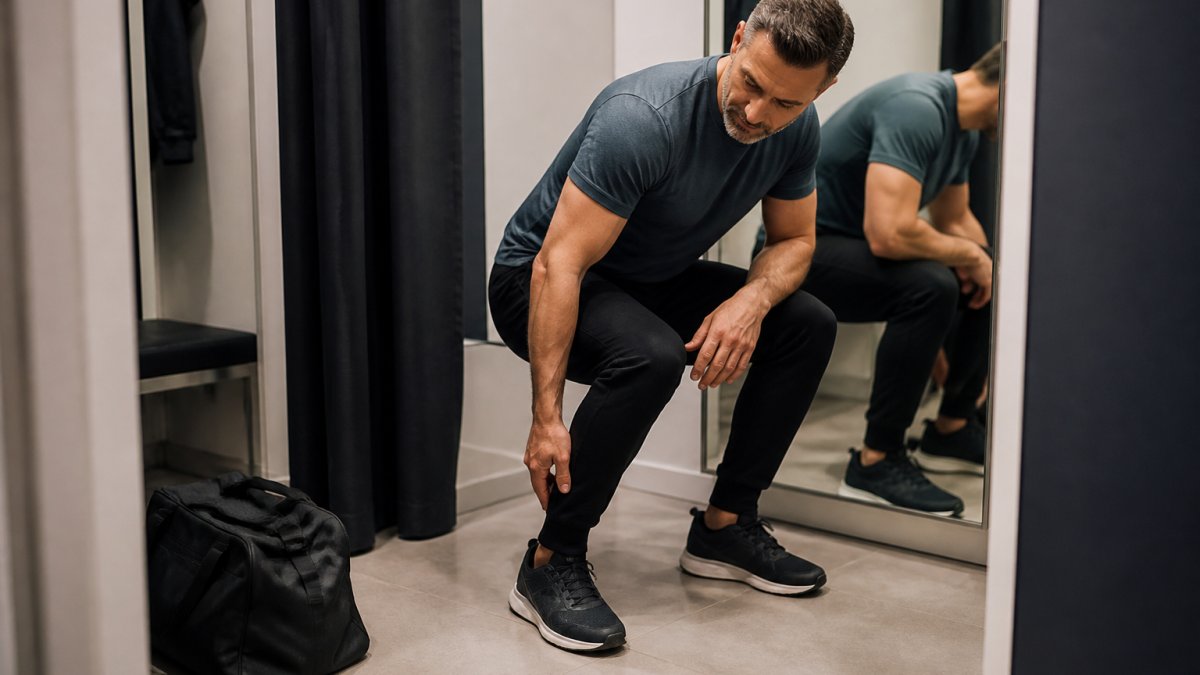
Take three measurements with a soft tape. First, your natural waist, measured at the narrowest point above the hip bone, not where your jeans sit. Second, your hip at the fullest point. Third, your inseam from the crotch seam to where you want the cuff to land, usually just above the ankle bone for a jogger.
Rise matters as much as inseam. A mid-rise jogger sits near the navel and works for most body types; a low rise exposes the waistband when you squat, and a high rise can bunch under a jacket.
A tapered or slim fit flatters most body types because it follows the leg line rather than hanging straight. Ribbed cuffs and a ribbed waistband are your fit allies: they recover their shape and create a clean silhouette. Side-seamed construction also keeps the fit from twisting after washing.
Big and tall shoppers should confirm inseam and rise specifically, since a standard cut often runs short and a "tall" cut adds length without adding seat room. If you're between sizes, size to the larger waist and plan to use the drawcord, because a too-tight waistband is the one fit problem you can't fix at home.
A common mistake is sizing up to chase comfort. That usually trades a snug waist for droopy knees. Check the size chart, measure your actual waist, and read how the brand describes the taper.
Embroidered Premium Fleece Jogger →
Mistake 3: Overlooking Lightweight Joggers for Warmer Training Days
Lightweight joggers are the right call for warm gyms, summer runs, and travel, while midweight pairs suit cooler conditions and layering. Owning one of each covers more of the year than doubling up on heavy pairs. Breathable, quick-drying fabric makes the biggest difference when the temperature climbs.
If you train indoors year-round, a lightweight pair prevents the overheating that turns a good session into a sweaty slog. For outdoor activities in cooler air, a midweight cotton blend adds warmth without bulk. Think in terms of a small rotation: one lighter pair for heat and travel, one midweight pair for cold mornings and layering under a coat.
Mistake 4: Confusing Joggers vs. Sweatpants
Joggers and sweatpants are not the same garment. Joggers have a tapered leg and elastic or ribbed cuffs at the ankle, giving a fitted, athletic shape. Sweatpants are looser through the leg with an open or straight hem, built for lounging rather than movement.
That distinction matters when you buy. A pair of sweatpants may feel comfortable but look slouchy with sneakers and a jacket. Joggers keep a clean line from hip to ankle, which is why they work for the gym, errands, and casual Fridays. If your goal is versatility, joggers win. If your goal is pure couch comfort, sweatpants still have a place, just a narrower one.
Mistake 5: Skipping the Details That Decide Comfort and Durability
Durability hides in the details: pocket construction, seam placement, waistband quality, and tag design. These small choices decide whether a pair lasts a season or several years. Two joggers can look identical online and behave completely differently after ten washes.
Check for these quality signals before you commit:
- Jersey-lined or zipper pockets that keep your phone secure and stop the fabric from stretching out
- Ribbed cuffs and waistband that recover their shape instead of going slack
- Side-seamed construction for structure and a fit that doesn't twist
- Tear-away tags to avoid scratchy irritation during training
- Pill-resistant fabric so the surface stays smooth over time
Watch out: thin, unlined pockets are the first thing to fail. They sag, stretch, and dump your keys on the gym floor. Our breakdown of the signs of high quality athletic apparel walks through the construction cues worth checking on any pair.
Mistake 6: Buying Without Checking Returns and Purchase Confidence
A generous return policy is the single best protection when you buy premium athletic joggers online. Fit and feel are hard to judge from photos, so confirm the return window, whether worn items qualify, and who pays return shipping before checkout. Purchase confidence comes from clear terms, not marketing copy.
Most buyers who get burned online skipped this step. They ordered on impulse, the fit was off, and the return window had closed. Read the policy, check the care instructions, and confirm the fabric details before you buy. A brand that stands behind its construction will make those terms easy to find.
Mistake 7: Treating Gym Wear and Office Wear as Two Separate Wardrobes
The strongest argument for premium joggers is that one pair can serve both training and work. A tapered, midweight jogger in a neutral color reads as polished with a button-down and clean sneakers, then holds up through a workout. You stop maintaining two wardrobes and start getting more wear from fewer pieces.
The key is restraint: solid colors, a clean taper, and no loud graphics. That's the difference between athleisure that looks sloppy and athleisure that looks deliberate. For styling specifics, our guide on how to transition gym wear to office shows how to build outfits around a single pair. If you're weighing whether the investment pays off, our honest review of whether expensive gym clothes are worth it breaks down the value case.
Frequently Asked Questions
What should you look for in premium athletic joggers?
Start with fabric: a cotton blend or performance fabric that is breathable, holds its shape, and resists pilling. Check the waistband and cuffs for 1x1 ribbing, which recovers its stretch instead of loosening. Look for practical pockets, such as jersey-lined or zipper pockets that keep a phone secure during a workout. Then confirm the fit details (tapered leg, side-seamed construction) and the return policy before you buy.
How should athletic joggers fit?
Athletic joggers should sit at your natural waist with enough room to slide a hand under the waistband, then taper through the thigh and calf to a ribbed cuff that stays put without pinching. You want freedom of movement for squats and running, not a baggy leg that catches on equipment. If you are between sizes, size up for training and stay true to size for everyday wear.
What is the difference between joggers and sweatpants?
Joggers are cut with a tapered leg and elastic cuffs at the ankle, which gives a cleaner silhouette and keeps the hem out of your way during movement. Sweatpants are usually looser through the leg with an open or straight hem, built for lounging and warmth rather than training. For gym sessions and casual wear in one piece, joggers are the more versatile choice.
How do you choose joggers when shopping online?
Read the fabric composition and weight first, then the size chart measurements rather than the model photos. Check whether the listing states the fit (slim, tapered, relaxed) and what the pockets and waistband are made of. Finally, confirm the return policy so a bad fit is not a sunk cost. A listing that gives you fabric, weight, and care details is a sign the brand stands behind the product.
The real test of a premium jogger is simple: does it still look and feel right after months of training and wear? That standard is what we build toward at EVENLIFT. Our joggers use a midweight cotton blend, ribbed cuffs and waistband, jersey-lined pockets, and side-seamed construction for a fit that holds up. Browse the collection and find a pair that moves from the gym to the office without missing a step. Get started with EVENLIFT and raise the bar in and out of the gym.
